Available courses

    About Course

    Implementing systematic ESG data management is essential for boards and executive management to ensure regulatory compliance, mitigate risks, gain competitive advantages, and drive long-term value creation while enhancing stakeholder engagement and informing sustainability strategies.

    Outline

    • ESG (Environmental, Social, and Governance) - significance in today's business landscape & its key components.
    • Types of ESG Data & Relevant Data sources
    • Importance of Data Quality and Reliability and related best practices
    • Approach to key Data Collection and Integration
    • Data Analysis and the Reporting requirements
    • Data Governance and Security

    Faculty

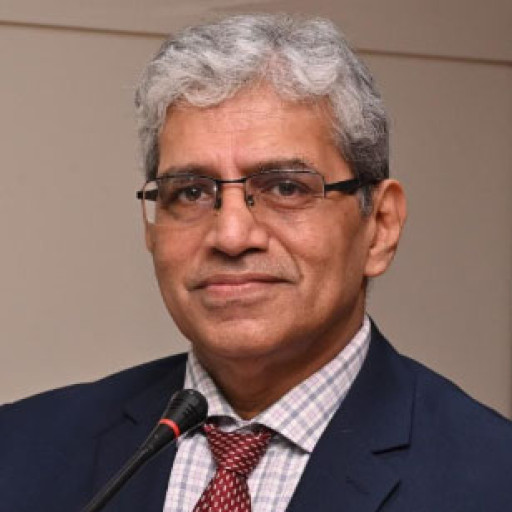
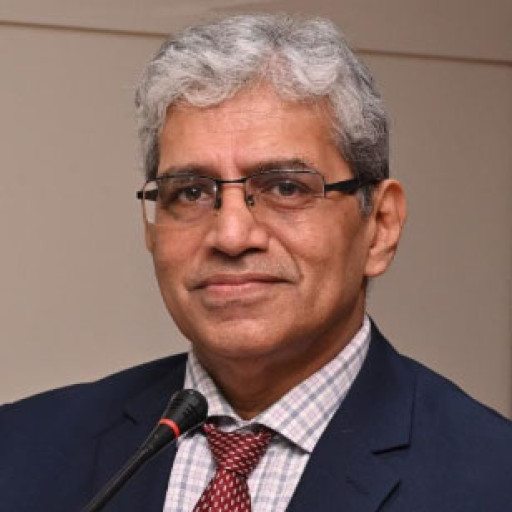
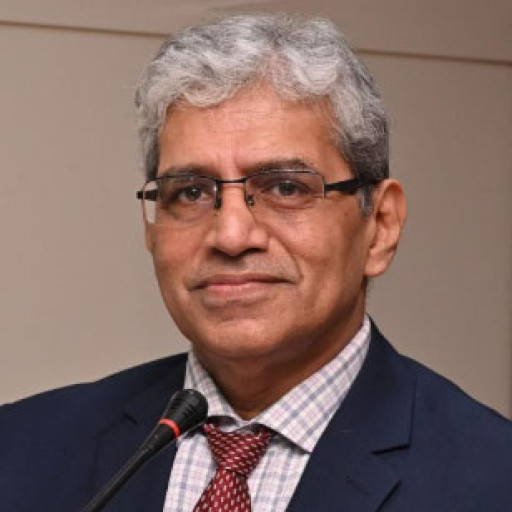
    Hussain Ali

    Hussein Hassanali, a distinguished British Pakistani professional, brings over 28 years of extensive global experience in Assurance, Risk, and Information Security. Having served as Head Technology Audit at HBL Internal Audit, his background includes pivotal roles such as CISO at Bank AL Habib Limited and Internal Audit Manager at the Aga Khan University.

    Recognized for his contributions to Information Security, he holds a variety of certifications and is actively involved in several industry associations. Some of his certifications include CISM, CRISC, CISA, and CDPSE. He is associated with ISACA Karachi Chapter as President, FPCCI's Standing Committee on Cyber Crimes & Security, and has been involved with various other organizations such as Ernst & Young, UK, and the Aga Khan University.

    Partner - StrataG

    StratG

    Course Fee (PKR): 20000

      About Course

      Practical training on IFRS S1 & S2 for sustainability and climate-related reporting in Pakistan.

      Outline

      • Introduction to IFRS S1 and S2 and Pakistan’s regulatory transition
      • Core sustainability disclosures, materiality, and SASB metrics
      • Climate risks, GHG emissions, and scenario analysis under IFRS S2
      • Integrating sustainability and climate disclosures with financial reporting

      Faculty

      Fauzia Safdar

      Ms. Fauzia Safdar Khan is a fellow member of the Institute of Chartered Accountants of Pakistan (ICAP) and an associate of the Institute of Chartered Accountants in England and Wales (ICAEW). She holds an MBA in sustainability from the University of Leicester. Currently, Ms. Khan is serving as the Director of Sustainability and Climate at Crowe Pakistan (Crowe Hussain Chaudhury & Co.) She has been instrumental in spearheading a diverse range of projects across various industries. Her primary area of expertise revolves around sustainability reporting, strategic planning and development, greenhouse gas (GHG) emissions, carbon offsetting strategies, SBTi target-setting processes, policy formulation, and creating comprehensive environmental, social and governance ESG strategies aligned with organizational objectives. She is adept at managing the entire process - from commitment to disclosure - with utmost diligence and professionalism.

      Partner - Crowe Pakistan

      Crowe

      Course Fee (PKR): 20000

        About Course

        The Environmental and Social Risk management Course offers a comprehensive understanding of Environment and Social Risk Management, covering ESG fundamentals, risk assessment, mitigation strategies, and embedding ESG into organizational practices for effective management.

        Outline

        • Learn to identify and assess environmental and social risks.
        • Develop and implement plans to mitigate identified risks.
        • Learn to integrate ESG risk into corporate risk management process.
        • Practice and learn through international recommended guidelines.

        Faculty

        Zehra Aneek

        Ms. Zehra Aneek is a sustainability and climate professional with 23 years of experience, She leads EY Ford Rhodes' Sustainability and Climate Change unit.  Her expertise spans Sustainability Strategy, ESG due diligence, Clean Technology Transition, Climate Adaptation and Mitigation, Energy Efficiency, Enterprise Risk Management, Social Impact Valuation, and Circular Economy.

        Partner - EY Ford Rhodes (EY)

        EY

        Course Fee (PKR): 20000

          About Course

          This module builds on a foundational understanding of ESG principles and introduces ESG target-setting best practices. Participants will learn how to develop a baseline for an ESG indicator and set bold, measurable targets aligned with broader organizational goals and frameworks. An introductory ESG course covering materiality assessment and ESG disclosure best practices will be a prerequisite for this module.

          Outline

          • How to develop a baseline for an ESG indicator (two examples one each for an E and S factor)
          • Importance of aligning targets to a framework or bigger commitment like SBTi, NDCs.
          • Importance of setting ambitious, bold targets
          • Importance of setting measurable, time-bound / period-based targets
          • Key insights / critical success factors for successful target achievement

          Faculty

           Maha Qasim is the CEO of Zero-Point Partners, an advisory & consulting firm focused on enabling the transition to a sustainab

          Maha Qasim is the CEO of Zero-Point Partners, an advisory & consulting firm focused on enabling the transition to a sustainable economy. With over 16 years of experience in environmental management, ESG strategy & disclosure and climate finance, Maha specializes in sustainability strategy advisory, capacity-building and program implementation. She has advised on sustainability initiatives for banking & financial institutions, fertilizer, steel, power generation, textile and FMCG companies.

          Previously, Maha served as Country Advisor, Pakistan, to the world’s largest philanthropic foundation – working with program teams to develop a coordinated donor-government strategy, and cultivating partnerships to advance strategic goals.

          She serves on the Board of the Global Youth Leadership Center (GYLC) – an international nonprofit that aims to expand youth’s knowledge about climate science, build their leadership skills, and engage them with climate action. She is a founding member of the Leadership Council of the United Nations Sustainable Development Solutions Network – Pakistan.

          Maha has a Master’s in Environmental Management from the Yale School of Environment and a BSE in Civil and Environmental Engineering from Princeton University.

          Partner - Zero Point

          Zero

          Course Fee (PKR): 20000

            About Course

            Learn how to identify and prioritize the ESG issues that are most significant to your organisation’s operations and stakeholders

            Outline

            • Understand the concept of materiality in the context of sustainability and various materiality considerations.
            • Learn how to conduct a materiality assessment and identify key ESG risks and opportunities
            • Evaluate how stakeholders are key in determination of materiality and informing ESG strategy
            • Understand the impact that your organization has on key stakeholders and vice-versa

            Faculty

            Shafaq

            Shafaq Fauzil Azim is a Fellow of the Institute of Chartered Accountants of Pakistan (ICAP) and a
            member of its Auditing Standards & Ethics Committee. She serves as an Independent Director on
            the Board of a not for profit, public-private partnership that reviews risk assessments for
            sustainable development projects.


            With over 25 years of experience in corporate governance, audit, quality, and risk management,
            she currently heads the advisory function at the Pakistan Institute of Corporate Governance
            (PICG) with expertise in board services and performance evaluations and is the Secretary to the
            Board and to the Audit & HR Committees. She is an IFC trained faculty and content developer for
            PICG’s flagship Director Training program and customized Director Orientation workshops, etc.
            and has contributed to several publications of the Institute, including surveys on Corporate
            Governance, Board Oversight, and ESG Awareness in Pakistan.


            Prior to PICG, she worked at EY Pakistan in the Audit & Assurance and Quality & Risk Management
            Departments, respectively, and served as Chief Internal Auditor at Greenstar Social Marketing
            Pakistan (Guarantee) Limited.

            Course Fee (PKR): 20000

              About Course

              'A good ESG strategy is embedded into the company strategy and is an integral basis of company's key decisions and actions'

              Outline

              • Understand why an ESG Strategy is critical for businesses
              • Learn what are key elements of a good ESG Strategy
              • Discuss examples of good ESG Strategy formulation
              • Deep dive into stakeholder engagement process
              • Learn about key factors of an ESG strategic action plan

              Faculty

              Mehmosh Khawaja

              Memosh Khawaja is the President and CEO of Pakistan Institute of Corporate Governance.

              He has more than 14 years of international corporate business leadership experience, as a global business steering director based out of Germany and as Managing Director Middle East for Henkel KGaA, and as CEO for Haleeb Foods in Pakistan. He started his professional career with Unilever in Pakistan.

              Memosh has a board designation on Climate Change (CCB.D) and ESG (GCB.D) and has also advised on strategy and sustainability for the corporate sector. He also serves as a non-executive independent director on local and international boards.

              Memosh is an MBA from Lahore University of Management Sciences (LUMS) and has obtained executive leadership training in strategy and innovation from the MIT Sloan school of Management.

              Course Fee (PKR): 20000

                About Course

                ‘Learn why ESG integration is critical to long-term corporate value creation’.


                Outline

                • Understand what ESG is and how it is different from social investing
                • Learn why ESG is important and who is driving the agenda
                • Explore value creation opportunities from ESG integration
                • Learn from case studies and global data
                • Understand the ESG value chain and integration process

                Faculty

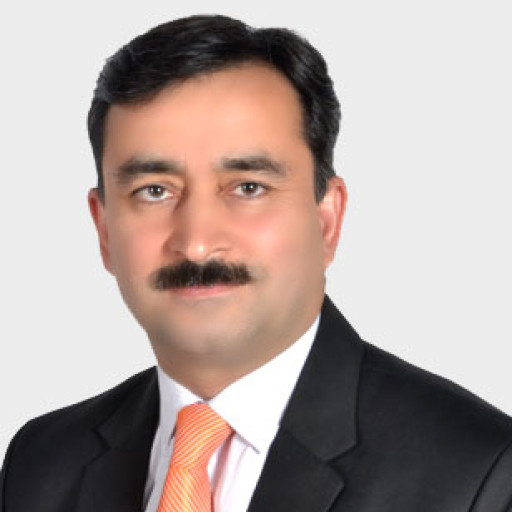
                Mehmosh Khawaja

                Memosh Khawaja is the President and CEO of Pakistan Institute of Corporate Governance.

                He has more than 14 years of international corporate business leadership experience, as a global business steering director based out of Germany and as Managing Director Middle East for Henkel KGaA, and as CEO for Haleeb Foods in Pakistan. He started his professional career with Unilever in Pakistan.

                Memosh has a board designation on Climate Change (CCB.D) and ESG (GCB.D) and has also advised on strategy and sustainability for the corporate sector. He also serves as a non-executive independent director on local and international boards.

                Memosh is an MBA from Lahore University of Management Sciences (LUMS) and has obtained executive leadership training in strategy and innovation from the MIT Sloan school of Management.
                Course Fee (PKR): 20000

                  About Course

                  The Environmental and Social Risk management Course offers a comprehensive understanding of Environment and Social Risk Management, covering ESG fundamentals, risk assessment, mitigation strategies, and embedding ESG into organizational practices for effective management.

                  Outline

                  • Learn to identify and assess environmental and social risks.
                  • Develop and implement plans to mitigate identified risks.
                  • Learn to integrate ESG risk into corporate risk management process.
                  • Practice and learn through international recommended guidelines.

                  Faculty

                  Zehra Aneek

                  Ms. Zehra Aneek is a sustainability and climate professional with 23 years of experience, She leads EY Ford Rhodes' Sustainability and Climate Change unit.  Her expertise spans Sustainability Strategy, ESG due diligence, Clean Technology Transition, Climate Adaptation and Mitigation, Energy Efficiency, Enterprise Risk Management, Social Impact Valuation, and Circular Economy.

                  AtiyaIrfan

                  Ms. Atiya Irfan Dossa is a Director in Business Consulting and is based in our Karachi (Pakistan) Office. She has been with the firm more than 20 years. Over the last 16 years Atiya has been involved in delivering risk management and consulting services to clients from the Financial Services industry (Banking sector in particular) in Pakistan. Prior to that, she has worked in EY’s Assurance service line for 4 years performing statutory audits in the Financial Services industry.

                  Partner - EY Ford Rhodes (EY)

                  EY

                  Course Fee (PKR): 20000

                    About Course

                    "A deep dive into the essentials of sustainability reporting, guiding Pakistani businesses through the adoption of international frameworks, strategic materiality assessments, and credible ESG disclosures for enhanced stakeholder trust."

                    Outline

                    • The business case for sustainability reporting
                    • Overview of Sustainability reporting standards
                    • Recommended approach to prepare for sustainability reporting
                    • Creating a sustainability report

                    Faculty

                    Zehra Aneek

                    Ms. Zehra Aneek is a sustainability and climate professional with 23 years of experience, She leads EY Ford Rhodes' Sustainability and Climate Change unit.  Her expertise spans Sustainability Strategy, ESG due diligence, Clean Technology Transition, Climate Adaptation and Mitigation, Energy Efficiency, Enterprise Risk Management, Social Impact Valuation, and Circular Economy.

                    Partner - EY Ford Rhodes (EY)

                    EY

                    Course Fee (PKR): 20000

                      About Course

                      This module builds on a foundational understanding of ESG principles and introduces ESG target-setting best practices. Participants will learn how to develop a baseline for an ESG indicator and set bold, measurable targets aligned with broader organizational goals and frameworks. An introductory ESG course covering materiality assessment and ESG disclosure best practices will be a prerequisite for this module.

                      Outline

                      • How to develop a baseline for an ESG indicator (two examples one each for an E and S factor)
                      • Importance of aligning targets to a framework or bigger commitment like SBTi, NDCs.
                      • Importance of setting ambitious, bold targets
                      • Importance of setting measurable, time-bound / period-based targets
                      • Key insights / critical success factors for successful target achievement

                      Faculty

                       Maha Qasim is the CEO of Zero-Point Partners, an advisory & consulting firm focused on enabling the transition to a sustainab

                      Maha Qasim is the CEO of Zero-Point Partners, an advisory & consulting firm focused on enabling the transition to a sustainable economy. With over 16 years of experience in environmental management, ESG strategy & disclosure and climate finance, Maha specializes in sustainability strategy advisory, capacity-building and program implementation. She has advised on sustainability initiatives for banking & financial institutions, fertilizer, steel, power generation, textile and FMCG companies.

                      Previously, Maha served as Country Advisor, Pakistan, to the world’s largest philanthropic foundation – working with program teams to develop a coordinated donor-government strategy, and cultivating partnerships to advance strategic goals.

                      She serves on the Board of the Global Youth Leadership Center (GYLC) – an international nonprofit that aims to expand youth’s knowledge about climate science, build their leadership skills, and engage them with climate action. She is a founding member of the Leadership Council of the United Nations Sustainable Development Solutions Network – Pakistan.

                      Maha has a Master’s in Environmental Management from the Yale School of Environment and a BSE in Civil and Environmental Engineering from Princeton University.

                      Partner - Zero Point

                      Zero

                      Course Fee (PKR): 20000

                        About Course

                        ‘Learn why ESG integration is critical to long-term corporate value creation’.


                        Outline

                        • Understand what ESG is and how it is different from social investing
                        • Learn why ESG is important and who is driving the agenda
                        • Explore value creation opportunities from ESG integration
                        • Learn from case studies and global data
                        • Understand the ESG value chain and integration process

                        Faculty

                        Mehmosh Khawaja

                        Memosh Khawaja is the President and CEO of Pakistan Institute of Corporate Governance.

                        He has more than 14 years of international corporate business leadership experience, as a global business steering director based out of Germany and as Managing Director Middle East for Henkel KGaA, and as CEO for Haleeb Foods in Pakistan. He started his professional career with Unilever in Pakistan.

                        Memosh has a board designation on Climate Change (CCB.D) and ESG (GCB.D) and has also advised on strategy and sustainability for the corporate sector. He also serves as a non-executive independent director on local and international boards.

                        Memosh is an MBA from Lahore University of Management Sciences (LUMS) and has obtained executive leadership training in strategy and innovation from the MIT Sloan school of Management.

                        Course Fee (PKR): 20000

                          About Course

                          Tracking Scope 3: managing value chain emissions.

                          Outline

                          • Introduction to Scope 3 Emissions and its categories
                          • Calculation methods of Scope 3
                          • Mapping and screening of Scope 3 Activities
                          • Collection of Data for Scope 3
                          • Reporting of Scope 3 emissions

                          Faculty

                          Fauzia Safdar

                          Ms. Fauzia Safdar Khan is a fellow member of the Institute of Chartered Accountants of Pakistan (ICAP) and an associate of the Institute of Chartered Accountants in England and Wales (ICAEW). She holds an MBA in sustainability from the University of Leicester. Currently, Ms. Khan is serving as the Director of Sustainability and Climate at Crowe Pakistan (Crowe Hussain Chaudhury & Co.) She has been instrumental in spearheading a diverse range of projects across various industries. Her primary area of expertise revolves around sustainability reporting, strategic planning and development, greenhouse gas (GHG) emissions, carbon offsetting strategies, SBTi target-setting processes, policy formulation, and creating comprehensive environmental, social and governance ESG strategies aligned with organizational objectives. She is adept at managing the entire process - from commitment to disclosure - with utmost diligence and professionalism.

                          Partner - Crowe Pakistan

                          Crowe

                          Course Fee (PKR): 20000

                            About Course

                            Carbon accounting: measuring direct and indirect GHG emissions.

                            Outline

                            • Introduction to Greenhouse gas protocol
                            • GHG Accounting and reporting principles
                            • GHG Accounting Boundaries
                            • Tracking emissions over time
                            • GHG emissions calculation
                            • Reporting of emissions

                            Faculty

                            Fauzia Safdar

                            Ms. Fauzia Safdar Khan is a fellow member of the Institute of Chartered Accountants of Pakistan (ICAP) and an associate of the Institute of Chartered Accountants in England and Wales (ICAEW). She holds an MBA in sustainability from the University of Leicester. Currently, Ms. Khan is serving as the Director of Sustainability and Climate at Crowe Pakistan (Crowe Hussain Chaudhury & Co.) She has been instrumental in spearheading a diverse range of projects across various industries. Her primary area of expertise revolves around sustainability reporting, strategic planning and development, greenhouse gas (GHG) emissions, carbon offsetting strategies, SBTi target-setting processes, policy formulation, and creating comprehensive environmental, social and governance ESG strategies aligned with organizational objectives. She is adept at managing the entire process - from commitment to disclosure - with utmost diligence and professionalism.

                            Partner - Crowe Pakistan

                            Crowe

                            Course Fee (PKR): 20000

                              About Course

                              Tracking Scope 3: managing value chain emissions.

                              Outline

                              • Introduction to Scope 3 Emissions and its categories
                              • Calculation methods of Scope 3
                              • Mapping and screening of Scope 3 Activities
                              • Collection of Data for Scope 3
                              • Reporting of Scope 3 emissions

                              Faculty

                              Fauzia Safdar

                              Ms. Fauzia Safdar Khan is a fellow member of the Institute of Chartered Accountants of Pakistan (ICAP) and an associate of the Institute of Chartered Accountants in England and Wales (ICAEW). She holds an MBA in sustainability from the University of Leicester. Currently, Ms. Khan is serving as the Director of Sustainability and Climate at Crowe Pakistan (Crowe Hussain Chaudhury & Co.) She has been instrumental in spearheading a diverse range of projects across various industries. Her primary area of expertise revolves around sustainability reporting, strategic planning and development, greenhouse gas (GHG) emissions, carbon offsetting strategies, SBTi target-setting processes, policy formulation, and creating comprehensive environmental, social and governance ESG strategies aligned with organizational objectives. She is adept at managing the entire process - from commitment to disclosure - with utmost diligence and professionalism.

                              Partner - Crowe Pakistan

                              Crowe

                              Course Fee (PKR): 20000

                                About Course

                                Carbon accounting: measuring direct and indirect GHG emissions.

                                Outline

                                • Introduction to Greenhouse gas protocol
                                • GHG Accounting and reporting principles
                                • GHG Accounting Boundaries
                                • Tracking emissions over time
                                • GHG emissions calculation
                                • Reporting of emissions

                                Faculty

                                Fauzia Safdar

                                Ms. Fauzia Safdar Khan is a fellow member of the Institute of Chartered Accountants of Pakistan (ICAP) and an associate of the Institute of Chartered Accountants in England and Wales (ICAEW). She holds an MBA in sustainability from the University of Leicester. Currently, Ms. Khan is serving as the Director of Sustainability and Climate at Crowe Pakistan (Crowe Hussain Chaudhury & Co.) She has been instrumental in spearheading a diverse range of projects across various industries. Her primary area of expertise revolves around sustainability reporting, strategic planning and development, greenhouse gas (GHG) emissions, carbon offsetting strategies, SBTi target-setting processes, policy formulation, and creating comprehensive environmental, social and governance ESG strategies aligned with organizational objectives. She is adept at managing the entire process - from commitment to disclosure - with utmost diligence and professionalism.

                                Partner - Crowe Pakistan

                                Crowe

                                Course Fee (PKR): 20000

                                  About Course

                                  The "Introduction to Sustainable Finance" course outlines the key principles of sustainable finance, addressing risks, investments, funding, the role of financial institutions, and the importance of taxonomies in standardizing sustainable practices to align business strategies with sustainability goals.

                                  Outline

                                  • Understanding Sustainable Finance: Definitions and Scope
                                  • International Climate Finance Frameworks: UNFCCC, Paris Agreement, and Green Climate Fund
                                  • Assessing Sustainability Risks in Financial Decision-Making
                                  • Public and Private Sources of Sustainable Finance
                                  • Understanding Sustainable Finance Taxonomies
                                  • Emerging Trends in Sustainable Finance

                                  Faculty

                                  Zehra Aneek

                                  Ms. Zehra Aneek is a sustainability and climate professional with 23 years of experience, She leads EY Ford Rhodes' Sustainability and Climate Change unit.  Her expertise spans Sustainability Strategy, ESG due diligence, Clean Technology Transition, Climate Adaptation and Mitigation, Energy Efficiency, Enterprise Risk Management, Social Impact Valuation, and Circular Economy.

                                  Partner - EY Ford Rhodes (EY)

                                  EY

                                   
                                  Course Fee (PKR): 20000

                                    About Course

                                    Integrating climate risks into financial decision-making for a sustainable future.

                                    Outline

                                    • Introduction to Task Force On Climate-Related Financial Disclosures
                                    • Principles for effective disclosures Key Elements of Task Force On Climate-Related Financial Disclosures Recommendations
                                    • Role of board and management in climate-related risk oversight
                                    • Impact of climate-related risks and opportunities on business strategy and financial planning
                                    • Identifying, assessing, and managing climate-related risks
                                    • Climate-related metrics and performance targets

                                    Faculty

                                    Fauzia Safdar

                                    Ms. Fauzia Safdar Khan is a fellow member of the Institute of Chartered Accountants of Pakistan (ICAP) and an associate of the Institute of Chartered Accountants in England and Wales (ICAEW). She holds an MBA in sustainability from the University of Leicester. Currently, Ms. Khan is serving as the Director of Sustainability and Climate at Crowe Pakistan (Crowe Hussain Chaudhury & Co.) She has been instrumental in spearheading a diverse range of projects across various industries. Her primary area of expertise revolves around sustainability reporting, strategic planning and development, greenhouse gas (GHG) emissions, carbon offsetting strategies, SBTi target-setting processes, policy formulation, and creating comprehensive environmental, social and governance ESG strategies aligned with organizational objectives. She is adept at managing the entire process - from commitment to disclosure - with utmost diligence and professionalism.

                                    Partner - Crowe Pakistan

                                    Crowe

                                    Course Fee (PKR): 20000

                                      About Course

                                      Workforce wellbeing is crucial to sustaining high productivity levels within any organization. When employees are physically, mentally, and emotionally healthy, they are more engaged, motivated, and efficient in their roles. Wellbeing programs that focus on work-life balance, mental health support, and physical wellness not only enhance job satisfaction but also reduce absenteeism and turnover rates. Ultimately, a well-cared-for workforce is more resilient, innovative, and productive, driving the organization towards its goals with greater effectiveness.

                                      Learning Outcome

                                      1. Strengthened Strategic Oversight

                                      Critical HR metrics give board committees a clear, data-driven view of workforce trends, enabling them to oversee talent strategy, succession planning, culture, and leadership effectiveness with confidence.

                                      2. Enhanced Governance and Accountability

                                      Standardized metrics—such as those from ISO 30414:2025—allow boards to evaluate HR performance objectively, set expectations for management, and ensure accountability for human capital decisions.

                                      3. Improved Risk Management

                                      Human capital risks such as turnover, skills gaps, culture failures, compliance breaches, or workplace safety issues become visible early. This empowers committees to intervene proactively before risks escalate.

                                      4. Better Alignment with ESG and Regulatory Requirements

                                      Critical HR metrics support transparent ESG reporting and align with global standards (ISSB, ESRS, GRI, ISO 30414). This strengthens investor confidence and meets growing regulatory expectations for human capital disclosure.

                                      5. Superior Long-Term Value Creation

                                      By linking workforce investment to productivity, innovation, and financial outcomes, HR metrics help boards ensure that people-related decisions drive sustainable growth, competitiveness, and stakeholder trust.

                                      Faculty

                                      Zahid Mubarik

                                      Zahid Mubarik is an internationally acclaimed thinker, writer, speaker, and thought leader on strategic human resource management. He is the CEO of HR Metrics and founder and president of SHRM Forum Pakistan. He has the honor of being the only HR leader from Asia to become a member of ISO Geneva Technical Committee 260 for Developing Global HR Standards. The Committee initially comprised of 11 leading countries, including USA, UK, France, Germany, Sweden, Switzerland, Austria, Norway, Netherlands, Portugal, and Pakistan.

                                       
                                      He served as a global Convener of HR Metrics Standards ISO TC 260 leading 31 countries. He also led Pakistan in ISO HR standards development meetings in Washington, London, Melbourne, Rotterdam, Paris, Singapore, Bali and Montreal. Zahid has a knack for aligning workforce productivity optimization metrics through alignment with organizational strategy. He has the honor of being distinguished speaker in in-person international conferences on people analytics in Las Vegas, Beijing, Moscow, Baku, Hanoi, Dubai and Abu Dhabi. Zahid served as member of Pakistan Stock Exchange Task Force on ESG Disclosure.

                                      Partner - HR Metrics

                                      HR Metrics

                                      Course Fee (PKR): 20000

                                        About Course

                                        Workforce wellbeing is crucial to sustaining high productivity levels within any organization. When employees are physically, mentally, and emotionally healthy, they are more engaged, motivated, and efficient in their roles. Wellbeing programs that focus on work-life balance, mental health support, and physical wellness not only enhance job satisfaction but also reduce absenteeism and turnover rates. Ultimately, a well-cared-for workforce is more resilient, innovative, and productive, driving the organization towards its goals with greater effectiveness.

                                        Learning Outcome

                                        1. Strengthened Strategic Oversight

                                        Critical HR metrics give board committees a clear, data-driven view of workforce trends, enabling them to oversee talent strategy, succession planning, culture, and leadership effectiveness with confidence.

                                        2. Enhanced Governance and Accountability

                                        Standardized metrics—such as those from ISO 30414:2025—allow boards to evaluate HR performance objectively, set expectations for management, and ensure accountability for human capital decisions.

                                        3. Improved Risk Management

                                        Human capital risks such as turnover, skills gaps, culture failures, compliance breaches, or workplace safety issues become visible early. This empowers committees to intervene proactively before risks escalate.

                                        4. Better Alignment with ESG and Regulatory Requirements

                                        Critical HR metrics support transparent ESG reporting and align with global standards (ISSB, ESRS, GRI, ISO 30414). This strengthens investor confidence and meets growing regulatory expectations for human capital disclosure.

                                        5. Superior Long-Term Value Creation

                                        By linking workforce investment to productivity, innovation, and financial outcomes, HR metrics help boards ensure that people-related decisions drive sustainable growth, competitiveness, and stakeholder trust.

                                        Faculty

                                        Zahid Mubarik

                                        Zahid Mubarik is an internationally acclaimed thinker, writer, speaker, and thought leader on strategic human resource management. He is the CEO of HR Metrics and founder and president of SHRM Forum Pakistan. He has the honor of being the only HR leader from Asia to become a member of ISO Geneva Technical Committee 260 for Developing Global HR Standards. The Committee initially comprised of 11 leading countries, including USA, UK, France, Germany, Sweden, Switzerland, Austria, Norway, Netherlands, Portugal, and Pakistan.

                                         
                                        He served as a global Convener of HR Metrics Standards ISO TC 260 leading 31 countries. He also led Pakistan in ISO HR standards development meetings in Washington, London, Melbourne, Rotterdam, Paris, Singapore, Bali and Montreal. Zahid has a knack for aligning workforce productivity optimization metrics through alignment with organizational strategy. He has the honor of being distinguished speaker in in-person international conferences on people analytics in Las Vegas, Beijing, Moscow, Baku, Hanoi, Dubai and Abu Dhabi. Zahid served as member of Pakistan Stock Exchange Task Force on ESG Disclosure.

                                        Partner - HR Metrics

                                        HR Metrics

                                        Course Fee (PKR): 20000

                                          About Course

                                          Learn why ESG integration is critical to long term corporate value creation’

                                          Outline

                                          • Overview of ISO 450001: Occupational Health and Safety Management System
                                          • Understanding ESG and its importance in modern business practices.
                                          • How ISO 45001 supports ESG goals.
                                          • Key components of ISO 450001
                                          • Case study: Implementing ISO 45001 in Developing country 

                                          Faculty

                                          Talha Bin Hamid

                                          Talha Bin Hamid is a Chartered Accountant and Certified Internal Auditor; over a career spanning over 2 decades, his focus has been enterprise risk management and internal audit where he has gained keen insight into operational aspects of organizations. 

                                          Course Fee (PKR): 20000

                                            About Course

                                            How to implement Best Practices through Human Rights Due Diligence

                                            Outline

                                            • Overview of human rights
                                            • Relevant Conventions and Declarations
                                            • Human Rights relevance to business operations
                                            • Overview of United Nations Guiding Principles (UNGP) & National Action Plan(NAP)
                                            • Conducting Human Rights Due Diligence (HRDD)

                                            Faculty

                                            Hammad Amjad

                                            Hammad Amjad is a business specialist with more than 15 years of professional experience as an entrepreneur, consultant, and employee with track of working with both public & private organizations including Government, NGOs, Commercial Businesses, Chambers, and others. He has worked in multiple industrial sectors including Information & Technology, Education, Trade Facilitation and Logistics.

                                            Partner - United Nations Development Program

                                            UNDP

                                            Course Fee (PKR): 20000

                                              About Course

                                              The Board and Executive Management must make AI governance a cornerstone of their AI strategy to mitigate risks, ensure ethical AI, bolster reputation, gain a competitive edge, and create sustainable long-term value.


                                              Outline

                                              • Overview of Artificial Intelligence (AI)
                                              • Generative Artificial Intelligence related Applications & Real-world examples
                                              • Building Blocks of Artificial Intelligence
                                              • Present day Artificial Intelligence concerns, Bias and Ethics
                                              • Regulatory, Governance and ESG in the context of Artificial Intelligence
                                              • Operationalizing Trustworthy Artificial Intelligence

                                              Faculty

                                              Naushad Siddiqui

                                              Naushad Siddiqui is a seasoned cybersecurity and technology risk professional with over 28 years of global experience. He has successfully led large-scale initiatives in information security, IT governance, and technology risk across the financial services, energy, and consulting sectors. 

                                              With a proven track record of designing and managing enterprise-wide security programs, Naushad specializes in developing cybersecurity strategies that align with business objectives. His expertise spans regulatory compliance, cyber risk management, incident response, and business continuity planning. 

                                              An ISACA/APMG-accredited trainer for globally recognized certifications including CISA, CRISC, and CET, Naushad has trained and mentored professionals worldwide. He is known for bridging strategic vision with practical execution, helping organizations build resilient security capabilities and future-ready risk functions.

                                              Course Fee (PKR): 20000

                                                About Course

                                                Practical training on IFRS S1 & S2 for sustainability and climate-related reporting in Pakistan.

                                                Outline

                                                • Introduction to IFRS S1 and S2 and Pakistan’s regulatory transition
                                                • Core sustainability disclosures, materiality, and SASB metrics
                                                • Climate risks, GHG emissions, and scenario analysis under IFRS S2
                                                • Integrating sustainability and climate disclosures with financial reporting

                                                Faculty

                                                Fauzia Safdar

                                                Ms. Fauzia Safdar Khan is a fellow member of the Institute of Chartered Accountants of Pakistan (ICAP) and an associate of the Institute of Chartered Accountants in England and Wales (ICAEW). She holds an MBA in sustainability from the University of Leicester. Currently, Ms. Khan is serving as the Director of Sustainability and Climate at Crowe Pakistan (Crowe Hussain Chaudhury & Co.) She has been instrumental in spearheading a diverse range of projects across various industries. Her primary area of expertise revolves around sustainability reporting, strategic planning and development, greenhouse gas (GHG) emissions, carbon offsetting strategies, SBTi target-setting processes, policy formulation, and creating comprehensive environmental, social and governance ESG strategies aligned with organizational objectives. She is adept at managing the entire process - from commitment to disclosure - with utmost diligence and professionalism.

                                                Partner - Crowe Pakistan

                                                Crowe

                                                Course Fee (PKR): 20000

                                                  About Course

                                                  Practical training on IFRS S1 for sustainability and climate-related reporting in Pakistan.

                                                  Outline

                                                  • Introduction to IFRS S1 and Pakistan’s regulatory transition
                                                  • Core sustainability disclosures, materiality, and SASB metrics
                                                  • Climate risks, GHG emissions, and scenario analysis under IFRS S1
                                                  • Integrating sustainability and climate disclosures with financial reporting

                                                  Faculty

                                                  Fauzia Safdar

                                                  Ms. Fauzia Safdar Khan is a fellow member of the Institute of Chartered Accountants of Pakistan (ICAP) and an associate of the Institute of Chartered Accountants in England and Wales (ICAEW). She holds an MBA in sustainability from the University of Leicester. Currently, Ms. Khan is serving as the Director of Sustainability and Climate at Crowe Pakistan (Crowe Hussain Chaudhury & Co.) She has been instrumental in spearheading a diverse range of projects across various industries. Her primary area of expertise revolves around sustainability reporting, strategic planning and development, greenhouse gas (GHG) emissions, carbon offsetting strategies, SBTi target-setting processes, policy formulation, and creating comprehensive environmental, social and governance ESG strategies aligned with organizational objectives. She is adept at managing the entire process - from commitment to disclosure - with utmost diligence and professionalism.

                                                  Partner - Crowe Pakistan

                                                  Crowe

                                                  Course Fee (PKR): 20000

                                                    About Course

                                                    Scenario analysis for resilient strategies

                                                    Outline

                                                    • What is Scenario Analysis
                                                    • Understanding of Scenarios
                                                    • Constructing Scenarios
                                                    • Identifying and Defining Range of Scenarios
                                                    • Assessing environment and evaluating business impacts

                                                    Faculty

                                                    Fauzia Safdar

                                                    Ms. Fauzia Safdar Khan is a fellow member of the Institute of Chartered Accountants of Pakistan (ICAP) and an associate of the Institute of Chartered Accountants in England and Wales (ICAEW). She holds an MBA in sustainability from the University of Leicester. Currently, Ms. Khan is serving as the Director of Sustainability and Climate at Crowe Pakistan (Crowe Hussain Chaudhury & Co.) She has been instrumental in spearheading a diverse range of projects across various industries. Her primary area of expertise revolves around sustainability reporting, strategic planning and development, greenhouse gas (GHG) emissions, carbon offsetting strategies, SBTi target-setting processes, policy formulation, and creating comprehensive environmental, social and governance ESG strategies aligned with organizational objectives. She is adept at managing the entire process - from commitment to disclosure - with utmost diligence and professionalism.

                                                    Partner - Crowe Pakistan

                                                    Crowe

                                                    Course Fee (PKR): 20000

                                                      About Course

                                                      Participants will be introduced to the concept of carbon offsets and carbon trading. They will learn about different types of carbon offsets and how they can be used to decarbonize a company's last mile emissions and meet net-zero targets through select case studies.

                                                      Outline

                                                      • What is a carbon offset?
                                                      • Difference between carbon credits and carbon offsets
                                                      • Introduction to carbon markets (voluntary and compliance markets)
                                                      • The roles of key participants in voluntary carbon markets and how they interact with one another
                                                      • Delta Blue Carbon case study example

                                                      Faculty

                                                       Maha Qasim is the CEO of Zero-Point Partners, an advisory & consulting firm focused on enabling the transition to a sustainab

                                                      Maha Qasim is the CEO of Zero-Point Partners, an advisory & consulting firm focused on enabling the transition to a sustainable economy. With over 16 years of experience in environmental management, ESG strategy & disclosure and climate finance, Maha specializes in sustainability strategy advisory, capacity-building and program implementation. She has advised on sustainability initiatives for banking & financial institutions, fertilizer, steel, power generation, textile and FMCG companies.

                                                      Previously, Maha served as Country Advisor, Pakistan, to the world’s largest philanthropic foundation – working with program teams to develop a coordinated donor-government strategy, and cultivating partnerships to advance strategic goals.

                                                      She serves on the Board of the Global Youth Leadership Center (GYLC) – an international nonprofit that aims to expand youth’s knowledge about climate science, build their leadership skills, and engage them with climate action. She is a founding member of the Leadership Council of the United Nations Sustainable Development Solutions Network – Pakistan.

                                                      Maha has a Master’s in Environmental Management from the Yale School of Environment and a BSE in Civil and Environmental Engineering from Princeton University.

                                                      Partner - Zero Point

                                                      Zero

                                                      Course Fee (PKR): 20000

                                                        About Course

                                                        ‘Discover how financial institutions can drive climate action and foster sustainable economic growth’.


                                                        Outline

                                                        Why FI executives should attend this course ?

                                                        • Understand the sector context
                                                        • Learn about new products and services scope
                                                        • ⁠Obtain best practices knowledge
                                                        • ⁠Understand your functional responsibilities

                                                        Faculty

                                                        Mehmosh Khawaja

                                                        Memosh Khawaja is the President and CEO of Pakistan Institute of Corporate Governance.

                                                        He has more than 14 years of international corporate business leadership experience, as a global business steering director based out of Germany and as Managing Director Middle East for Henkel KGaA, and as CEO for Haleeb Foods in Pakistan. He started his professional career with Unilever in Pakistan.

                                                        Memosh has a board designation on Climate Change (CCB.D) and ESG (GCB.D) and has also advised on strategy and sustainability for the corporate sector. He also serves as a non-executive independent director on local and international boards.

                                                        Memosh is an MBA from Lahore University of Management Sciences (LUMS) and has obtained executive leadership training in strategy and innovation from the MIT Sloan school of Management.

                                                        Course Fee (PKR): 20000

                                                          About Course

                                                          Master the essentials of ethics, from understanding and documenting organizational standards to navigating board-level challenges and constructing robust ethical decision-making frameworks.

                                                          Outline

                                                          • Understanding ethics
                                                          • Appreciating the role of the board in formulating the organisation’s values and ethical standards
                                                          • Identifying the different realms of ethical challenges that directors face
                                                          • Documentation of an organisation’s ethical standards
                                                          • Comprehending and being able to construct the ethical decision-making framework

                                                          Faculty

                                                          Faisal Anwar

                                                          Faisal Anwar is a senior management consultant and trainer with diverse experience spanning over 30 years with top-notch multinational banks, i.e., RBS, ABN AMRO, Bank of America, and HBL as well as a multilateral development bank, ECO Trade & Development Bank, at its headquarters in Istanbul, Turkey. He has held top management positions such as: Executive Director & COO-Pakistan at ABN AMRO/RBS with oversight responsibility for shared services, i.e., Operations, Admin, IT, Legal & Compliance, HR, ORM, and Finance; and Chief Compliance Officer & Head of Global Compliance Group at HBL.

                                                          Faisal holds a B. Com (Gold Medalist) Degree from University of the Punjab, Pakistan; BBA (with distinction) from University of Oklahoma, USA; and MBA from University of Texas, USA. He is a Certified Director under the Code of Corporate Governance of SECP; attended Quest-Masterclass Course on “Corporate Governance & Director Duties Excellence”, at Singapore; and holds the CCEP-I  qualification from SCCE USA.

                                                          Course Fee (PKR): 20000

                                                            About Course

                                                            Scenario analysis for resilient strategies

                                                            Outline

                                                            • What is Scenario Analysis
                                                            • Understanding of Scenarios
                                                            • Constructing Scenarios
                                                            • Identifying and Defining Range of Scenarios
                                                            • Assessing environment and evaluating business impacts

                                                            Faculty

                                                            Fauzia Safdar

                                                            Ms. Fauzia Safdar Khan is a fellow member of the Institute of Chartered Accountants of Pakistan (ICAP) and an associate of the Institute of Chartered Accountants in England and Wales (ICAEW). She holds an MBA in sustainability from the University of Leicester. Currently, Ms. Khan is serving as the Director of Sustainability and Climate at Crowe Pakistan (Crowe Hussain Chaudhury & Co.) She has been instrumental in spearheading a diverse range of projects across various industries. Her primary area of expertise revolves around sustainability reporting, strategic planning and development, greenhouse gas (GHG) emissions, carbon offsetting strategies, SBTi target-setting processes, policy formulation, and creating comprehensive environmental, social and governance ESG strategies aligned with organizational objectives. She is adept at managing the entire process - from commitment to disclosure - with utmost diligence and professionalism.

                                                            Partner - Crowe Pakistan

                                                            Crowe

                                                            Course Fee (PKR): 20000

                                                              About Course

                                                              Participants will be introduced to the concept of carbon offsets and carbon trading. They will learn about different types of carbon offsets and how they can be used to decarbonize a company's last mile emissions and meet net-zero targets through select case studies.

                                                              Outline

                                                              • What is a carbon offset?
                                                              • Difference between carbon credits and carbon offsets
                                                              • Introduction to carbon markets (voluntary and compliance markets)
                                                              • The roles of key participants in voluntary carbon markets and how they interact with one another
                                                              • Delta Blue Carbon case study example

                                                              Faculty

                                                               Maha Qasim is the CEO of Zero-Point Partners, an advisory & consulting firm focused on enabling the transition to a sustainab

                                                              Maha Qasim is the CEO of Zero-Point Partners, an advisory & consulting firm focused on enabling the transition to a sustainable economy. With over 16 years of experience in environmental management, ESG strategy & disclosure and climate finance, Maha specializes in sustainability strategy advisory, capacity-building and program implementation. She has advised on sustainability initiatives for banking & financial institutions, fertilizer, steel, power generation, textile and FMCG companies.

                                                              Previously, Maha served as Country Advisor, Pakistan, to the world’s largest philanthropic foundation – working with program teams to develop a coordinated donor-government strategy, and cultivating partnerships to advance strategic goals.

                                                              She serves on the Board of the Global Youth Leadership Center (GYLC) – an international nonprofit that aims to expand youth’s knowledge about climate science, build their leadership skills, and engage them with climate action. She is a founding member of the Leadership Council of the United Nations Sustainable Development Solutions Network – Pakistan.

                                                              Maha has a Master’s in Environmental Management from the Yale School of Environment and a BSE in Civil and Environmental Engineering from Princeton University.

                                                              Partner - Zero Point

                                                              Zero

                                                              Course Fee (PKR): 20000

                                                                About Course

                                                                Implementing systematic ESG data management is essential for boards and executive management to ensure regulatory compliance, mitigate risks, gain competitive advantages, and drive long-term value creation while enhancing stakeholder engagement and informing sustainability strategies.

                                                                Outline

                                                                • ESG (Environmental, Social, and Governance) - significance in today's business landscape & its key components.
                                                                • Types of ESG Data & Relevant Data sources
                                                                • Importance of Data Quality and Reliability and related best practices
                                                                • Approach to key Data Collection and Integration
                                                                • Data Analysis and the Reporting requirements
                                                                • Data Governance and Security

                                                                Faculty

                                                                Hussain Ali

                                                                Hussein Hassanali, a distinguished British Pakistani professional, brings over 28 years of extensive global experience in Assurance, Risk, and Information Security. Having served as Head Technology Audit at HBL Internal Audit, his background includes pivotal roles such as CISO at Bank AL Habib Limited and Internal Audit Manager at the Aga Khan University.

                                                                Recognized for his contributions to Information Security, he holds a variety of certifications and is actively involved in several industry associations. Some of his certifications include CISM, CRISC, CISA, and CDPSE. He is associated with ISACA Karachi Chapter as President, FPCCI's Standing Committee on Cyber Crimes & Security, and has been involved with various other organizations such as Ernst & Young, UK, and the Aga Khan University.

                                                                Partner - StrataG

                                                                StratG

                                                                Course Fee (PKR): 20000