
About Course
Workforce wellbeing is crucial to sustaining high productivity levels within any organization. When employees are physically, mentally, and emotionally healthy, they are more engaged, motivated, and efficient in their roles. Wellbeing programs that focus on work-life balance, mental health support, and physical wellness not only enhance job satisfaction but also reduce absenteeism and turnover rates. Ultimately, a well-cared-for workforce is more resilient, innovative, and productive, driving the organization towards its goals with greater effectiveness.
Learning Outcome
1. Strengthened Strategic Oversight
Critical HR metrics give board committees a clear, data-driven view of workforce trends, enabling them to oversee talent strategy, succession planning, culture, and leadership effectiveness with confidence.
2. Enhanced Governance and Accountability
Standardized metrics—such as those from ISO 30414:2025—allow boards to evaluate HR performance objectively, set expectations for management, and ensure accountability for human capital decisions.
3. Improved Risk Management
Human capital risks such as turnover, skills gaps, culture failures, compliance breaches, or workplace safety issues become visible early. This empowers committees to intervene proactively before risks escalate.
4. Better Alignment with ESG and Regulatory Requirements
Critical HR metrics support transparent ESG reporting and align with global standards (ISSB, ESRS, GRI, ISO 30414). This strengthens investor confidence and meets growing regulatory expectations for human capital disclosure.
5. Superior Long-Term Value Creation
By linking workforce investment to productivity, innovation, and financial outcomes, HR metrics help boards ensure that people-related decisions drive sustainable growth, competitiveness, and stakeholder trust.
Faculty
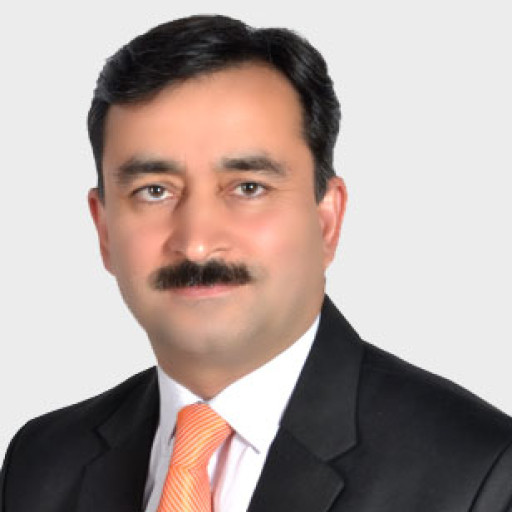
Zahid Mubarik is an internationally acclaimed thinker, writer, speaker, and thought leader on strategic human resource management. He is the CEO of HR Metrics and founder and president of SHRM Forum Pakistan. He has the honor of being the only HR leader from Asia to become a member of ISO Geneva Technical Committee 260 for Developing Global HR Standards. The Committee initially comprised of 11 leading countries, including USA, UK, France, Germany, Sweden, Switzerland, Austria, Norway, Netherlands, Portugal, and Pakistan.
He served as a global Convener of HR Metrics Standards ISO TC 260 leading 31 countries. He also led Pakistan in ISO HR standards development meetings in Washington, London, Melbourne, Rotterdam, Paris, Singapore, Bali and Montreal. Zahid has a knack for aligning workforce productivity optimization metrics through alignment with organizational strategy. He has the honor of being distinguished speaker in in-person international conferences on people analytics in Las Vegas, Beijing, Moscow, Baku, Hanoi, Dubai and Abu Dhabi. Zahid served as member of Pakistan Stock Exchange Task Force on ESG Disclosure.
Partner - HR Metrics

About Course
Workforce wellbeing is crucial to sustaining high productivity levels within any organization. When employees are physically, mentally, and emotionally healthy, they are more engaged, motivated, and efficient in their roles. Wellbeing programs that focus on work-life balance, mental health support, and physical wellness not only enhance job satisfaction but also reduce absenteeism and turnover rates. Ultimately, a well-cared-for workforce is more resilient, innovative, and productive, driving the organization towards its goals with greater effectiveness.
Learning Outcome
1. Strengthened Strategic Oversight
Critical HR metrics give board committees a clear, data-driven view of workforce trends, enabling them to oversee talent strategy, succession planning, culture, and leadership effectiveness with confidence.
2. Enhanced Governance and Accountability
Standardized metrics—such as those from ISO 30414:2025—allow boards to evaluate HR performance objectively, set expectations for management, and ensure accountability for human capital decisions.
3. Improved Risk Management
Human capital risks such as turnover, skills gaps, culture failures, compliance breaches, or workplace safety issues become visible early. This empowers committees to intervene proactively before risks escalate.
4. Better Alignment with ESG and Regulatory Requirements
Critical HR metrics support transparent ESG reporting and align with global standards (ISSB, ESRS, GRI, ISO 30414). This strengthens investor confidence and meets growing regulatory expectations for human capital disclosure.
5. Superior Long-Term Value Creation
By linking workforce investment to productivity, innovation, and financial outcomes, HR metrics help boards ensure that people-related decisions drive sustainable growth, competitiveness, and stakeholder trust.
Faculty
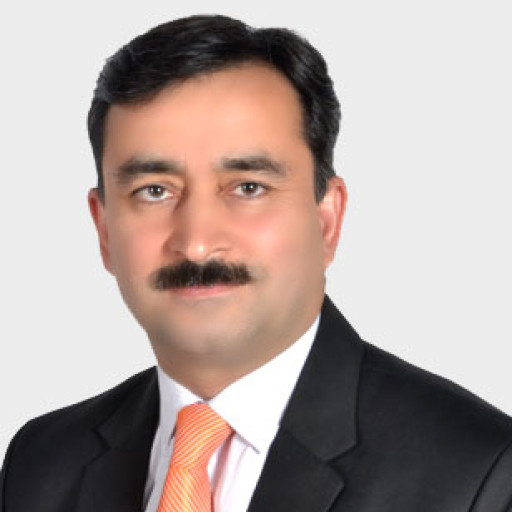
Zahid Mubarik is an internationally acclaimed thinker, writer, speaker, and thought leader on strategic human resource management. He is the CEO of HR Metrics and founder and president of SHRM Forum Pakistan. He has the honor of being the only HR leader from Asia to become a member of ISO Geneva Technical Committee 260 for Developing Global HR Standards. The Committee initially comprised of 11 leading countries, including USA, UK, France, Germany, Sweden, Switzerland, Austria, Norway, Netherlands, Portugal, and Pakistan.
He served as a global Convener of HR Metrics Standards ISO TC 260 leading 31 countries. He also led Pakistan in ISO HR standards development meetings in Washington, London, Melbourne, Rotterdam, Paris, Singapore, Bali and Montreal. Zahid has a knack for aligning workforce productivity optimization metrics through alignment with organizational strategy. He has the honor of being distinguished speaker in in-person international conferences on people analytics in Las Vegas, Beijing, Moscow, Baku, Hanoi, Dubai and Abu Dhabi. Zahid served as member of Pakistan Stock Exchange Task Force on ESG Disclosure.
Partner - HR Metrics

About Course
How to implement Best Practices through Human Rights Due Diligence
Outline
- Overview of human rights
- Relevant Conventions and Declarations
- Human Rights relevance to business operations
- Overview of United Nations Guiding Principles (UNGP) & National Action Plan(NAP)
- Conducting Human Rights Due Diligence (HRDD)
Faculty

Hammad Amjad is a business specialist with more than 15 years of professional experience as an entrepreneur, consultant, and employee with track of working with both public & private organizations including Government, NGOs, Commercial Businesses, Chambers, and others. He has worked in multiple industrial sectors including Information & Technology, Education, Trade Facilitation and Logistics.
Partner - United Nations Development Program

About Course
Learn why ESG integration is critical to long term corporate value creation’
Outline
- Overview of ISO 450001: Occupational Health and Safety Management System
- Understanding ESG and its importance in modern business practices.
- How ISO 45001 supports ESG goals.
- Key components of ISO 450001
- Case study: Implementing ISO 45001 in Developing country
Faculty
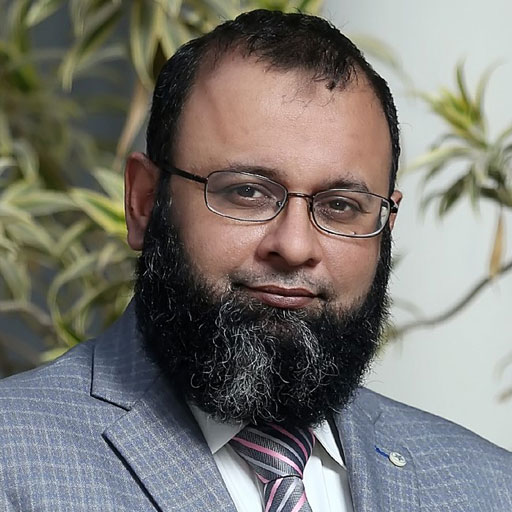
Talha Bin Hamid is a Chartered Accountant and Certified Internal Auditor; over a career spanning over 2 decades, his focus has been enterprise risk management and internal audit where he has gained keen insight into operational aspects of organizations.